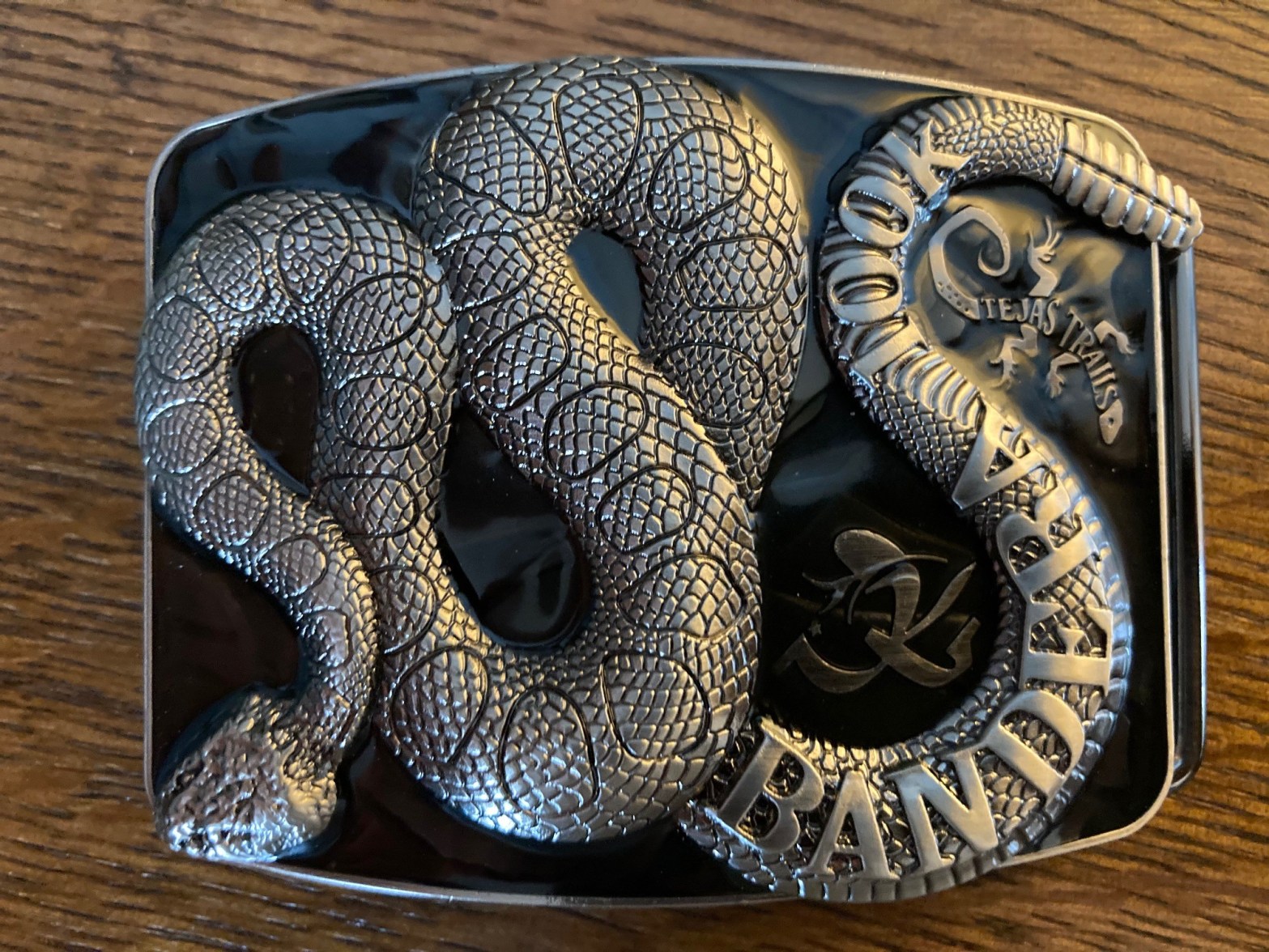
This weekend I ran the Hoka One One Bandera 100k with my brother Tim and buddy John. As I mentioned previously, this was a last-minute decision, and I am glad I did it. While it had all the normal suck of an ultramarathon including a short night march, it also was the first time in over a year that I had the chance to compete in a real race. Writeup below and Strava data here.
Let me Start with Kudos to Tejas Trails
In a time where a rational assessment of COVID risks is scarce, the race organizer Tejas Trails managed put on a relatively normal race. There were two main risk management strategies. First, in lieu of a mass start with 400 people, each racer was assigned a starting window and the race was chip timed. On a narrow course like Bandera where an initial conga line and hurried passing are always concerns, the spaced start was a major improvement. The race organizers should continue to use this start approach regardless of COVID.
Second, the aid stations were modified to promote social distancing. These changes included pre-packaging food in individual containers, the use of wands to fill water bottles, and asking volunteers and runners to cover faces when around aid stations. In all, minor inconveniences. There was less sitting around and stopping at aid stations than a normal race (no mass of runners with shoes off in the warming tent) but that is also an improvement.
Was COVID risk zero at the race? No. But with the above adjustments it was minimized, and I suspect that the risks were in line with or less than indoor activities like going to the grocery store.
Other Race Logistics
The race is held at the Hill Country State Natural Area, a little over two hours west of Austin. The course is two 31-mile loops. We picked up our race numbers on Friday night and then headed to our bed and breakfast for dinner. The weather forecast called for an overcast race day with highs in the 50s with possible showers in the evening. Other than the first 5 miles after starting, I ran most of the day in shorts and a t-shirt, and only needed to put on a fleece after dark. I carried a warm hat and Houdini jacked in case, but the rain held off and they stayed in the pack.
On race morning, we arrived just before our 7:00 am start window, picked up our timing chip, dropped a bag in the field by the start, and rolled. We were running within ten minutes of parking.

Hydration and Nutrition
Unsure of how functional the aid stations would be, we made the decision to carry all our food and most of our water. I loaded up my Salomon ADV Skin 12 pack with a liter of water in a platypus and two half-liter soft bottles up front. For me, this was enough water for at least 20 miles and I probably could have stretched it to 31. I also carried plenty of salt pills as I had to be prepared to drink only water. I ended up refilling the soft bottles once on the first loop with Tailwind. After realizing that aid stations were fine, I dropped the platypus at the turn and ran the second loop with just two soft bottles and alternated water and Tailwind.

For nutrition, I started the first loop with four PBJ sandwiches, two small bags of fritos, and some leftover Halloween candy. Every hour I ate half a sandwich and candy, which worked fine. But even PBJ gets monotonous after a while so on the second lap I relied mostly on aid station food, my favorite being a cup of ramen mixed with instant mashed potatoes.
The Race
Despite having finished in 2015, I had forgotten how flat the Bandera course is. The course is very runnable, with only short climbs breaking up the first half of each loop. The back half of each loop is entirely runnable except for a single short steep climb near the end. Dedicated vertical training is not really required for Bandera. The one variable that changes the nature of the course is mud. In 2015, all the runnable sections were slippery foot-sucking mud. This year, those sections were dry and fast.

Our strategy was to go as fast as we could to be as far along as possible before sunset and to beat any rain that might turn the course muddy. We ended up completing the first 31-mile lap in 6:32. We made it halfway around the second lap before darkness fell and we were reduced to marching it in. The second lap took 8:43, so about two hours of slowdown compared to the first lap. My final time was 15:15, which is 4 hours and 31 minutes faster than in 2015.

Final Thoughts
Two months is normally insufficient to train for a 100k. In November I ran about 160 miles, including a couple of runs over 20 miles. But in December the combination of IT band issues, the holidays, and family obligations kept me from training as consistently as I would have liked. Nevertheless, I felt confident at Bandera because I knew I had a good hydration and nutrition strategy and because the weather was good. The strategy to move as fast as possible until dark and then just accept that with the dark my pace would inevitably slowdown was the correct one.
I can’t overemphasize how refreshing it was to get back to racing. We cannot allow our fear of a virus to deprive us of opportunities to grow through challenges. I hope that 2021 brings lots more of those opportunities.
 Vamonos Baby!
Congratulations! It’s great to hear about the race snd your strategies. The belt buckle? Is cool enough to make me think about a go! Must you finish to get one?
LikeLike
Thanks Becky. Yes, only those who finish (in the allowed 24 hours) get the buckle!
LikeLike