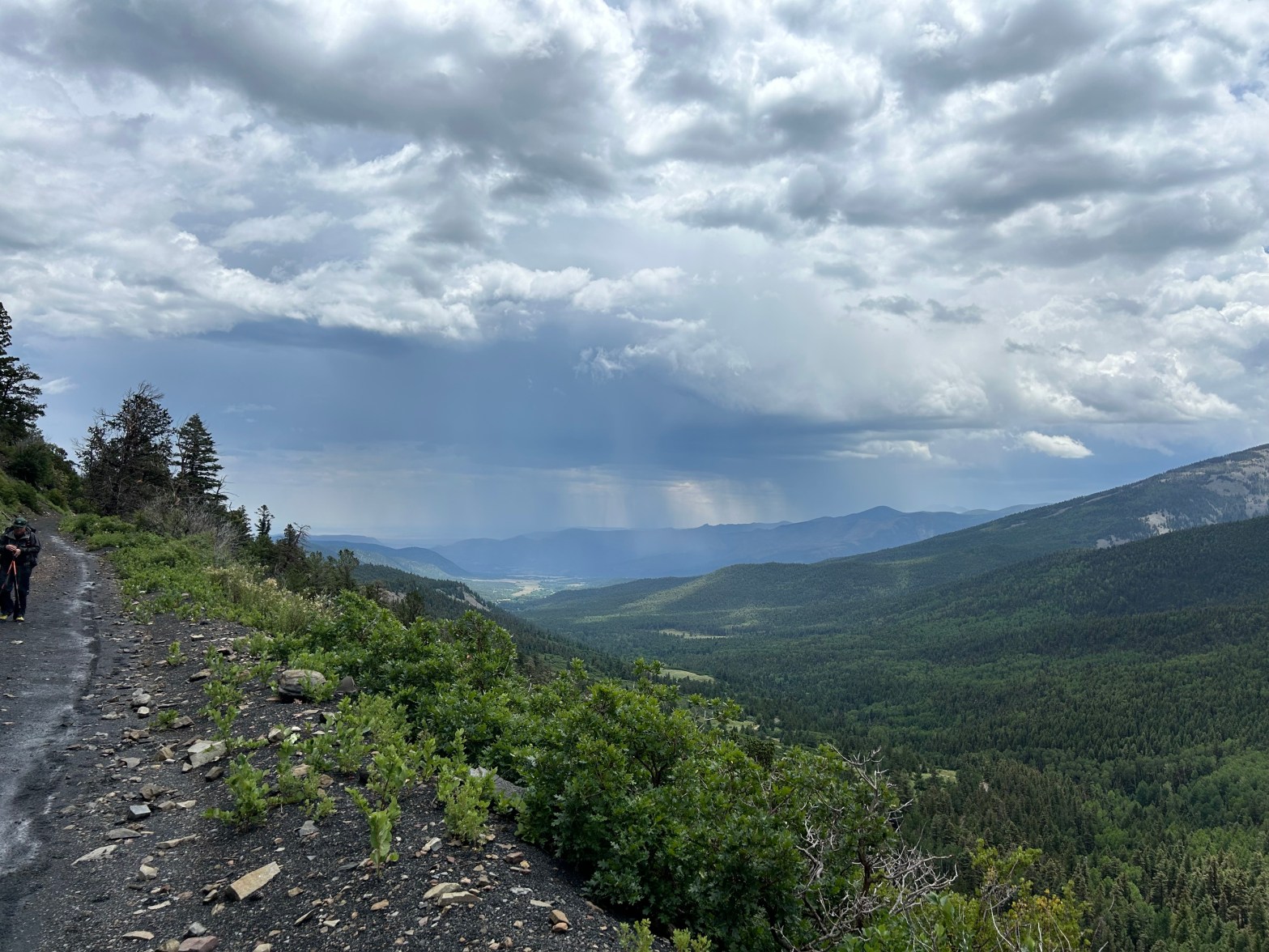
No. 1: Start Early: The activities are first come, first served, and thunderstorms occur almost every afternoon in July. The Crew Leader should set an early start to ensure that the crew gets to complete activities and to avoid setting up camp late in the day in a storm.

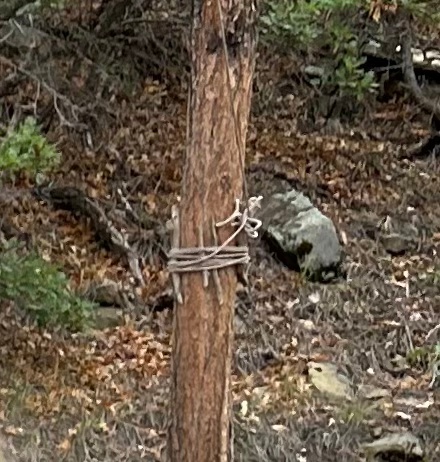
No. 2: Tie sticks directly to trees when hanging Bear Bags: Philmont does not allow ropes to be wrapped around live trees. Instead, dead sticks must be placed under the ropes to protect the bark of the live tree. Every time you release the ropes to lower a bag, the sticks fall to the ground, making raising and lowering the bags a pain. Bring a couple of lengths of paracord and tie the sticks to the trees before wrapping the bear rope. This way, when you lower a bag, the sticks don’t fall to the ground; you simply re-wrap the rope around the sticks.
No. 3: Master rigging a dining fly high. We spent time under the dining fly every day. Because we had a giant fly and lots of paracord, we could pitch it to trees and high enough that everyone could fit. The Philmont issued flys, and pitching style is more of a small A-Frams that is much less practical.

No. 4: Ask for Extra Sanitizer and TP: At some points, we ran low on both. I suggest everyone have their own small sanitizer in addition to the troop sanitizer.
No. 4: Have a conversation with your crew on timing bathroom breaks: Multiple times, after a long 30-45 minute break, our crew leader would call for packs on, and inevitably, a scout would say that they needed to go poop. Do not assume that 14 or 15-year-old boys will think: “I’d better go to the bathroom now to avoid delaying the whole group.”
No. 5: Have the same conversation on filling water bottles first thing during a break.
No. 6: Force scouts to put on sunscreen and lip balm: They likely will not unless directed by adults.
No. 7: Address foot problems early: The blister prevention and protection kit is the most used part of a crew first aid kit. We used K-T tape to great success. Encourage the boys to address hot spots early before they become blisters. Keep the blister kit in an easily accessible area on the trail and in a central location at camp.
No. 8: Carry the appropriate amount of water: The Philmont logistics department has information on availability at every campsite, which they will share with the Crew Leader. Assess each hike to determine what is appropriate. Philmont is highly conservative in the quantity of water it says to carry. Yes, one generally needs a lot of water in the dry climate of New Mexico, but 4 liters for a 2-mile hike is overkill. Just carefully plan it out.
No. 9: Take a photo of every camp map. These maps are posted on every trail as you enter a camp. Some of the camps are pretty large. The image will help you navigate the camp, identify campsites, locate water, and find the all-important red-roof inns. When you get home, the maps will help to mentally reconstruct the trip.

No. 10: Be able to do laundry. Backcountry laundry requires a gallon ziplock and a few safety pins. You wash the clothes in the ziplock using camp suds, then pin the wet, clean clothes to your pack. Most clothes will dry as you hike in the morning before the storms. With this approach, you will have clean socks and underwear every day.
No. 11: Bring a small (12in x12in) camp towel. Condensation and blowing rain got in everyone’s tent. A small camp towel is nice to have to get things mostly dry. Do not bring a big towel.
No. 12: Always, always store your pack with its cover on or under a tarp. We had multiple scouts have their packs soaked due to leaving packs uncovered when a storm hit. Just assume it’s going to rain.
No. 13: Bring a football or frisbee. The scouts ended up breaking out into games at every camp.

No. 14: Philmont allows open-toed shoes. Philmont is a pleasant exception to BSA’s irrational prejudice against open-toed shoes. Cheap flip-flops are way lighter than Crocs, ventilate better, and make awesome camp shoes.
No. 15: No scout phones in the backcountry. Addressed in a prior post, but phones are a distraction.
This concludes the “how to” part of my Philmont posts. I will have one more post that is simply a trip report. In the meantime, ask any questions in the comments section below.
 Vamonos Baby!
One thought on “Philmont: Top 15 tips and things I wish someone told me before the trip.”