
With three kids in scouts, we spend a lot of time in the outdoors learning life skills through experience. One of the best things about the scouting method is that us parents are encouraged to let the scouts fail. Forget your sleeping bag once and you will remember it next time. This is learning to be prepared.
It’s not just the kids who learn that way.
With a year of COVID and a now a Texas snowstorm, we have had the deficiencies in our preparedness pointed out. Maybe even rubbed in our noses. I have learned that a little “prepper” is not a bad thing. Consider:
We need more food on hand than we think we need. Last year before the pandemic really hit, I started getting worried and took a metal (i.e. rodent-proof) trash can in my garage and filled it with rice, pasta, beans, backpacker meals, and other dehydrated foods. There are enough calories in my emergency trash can to feed the six of us for a month. We also have about a month of canned goods stored. My wife stopped asking me to go with her to Costco because I would always get another huge bag of rice and more canned tuna. Fast forward to this week: We have no more fresh food in the house and the line to get in the grocery stores that are reopening is hours long. We are fine on spaghetti and canned peaches. But lots of people don’t have food. Once we get out of this, I may double our stored food supply.
We need an emergency water supply. After the power went down things froze up and pipes started bursting all over the city. It is slowly coming back, but everyone remains under a boil water notice. Many people have been without water for days and do not have fresh water to drink. We should all have a few days drinking water on hand along with a plan for more extended outages. Ours is to use our hot tub as a water supply. LifeStraw, Steripens, and other backpacking water treatment systems are a good thing to have around.

We need a plan for our homes to lose all services. How long could you live at your home with no electricity, water, and gas? This is important because in an emergency you may not be able to leave. Things to ask: Do I have enough lights and batteries? Warm clothes and sleeping bags? How will I cook food? Do we have enough propane or firewood? Can I shut off the power/gas/water to my house? What if the credit card payment system is down, do I have any cash? What will happen to the cell phone network if everyone loses WiFi? (Hint: it won’t work)
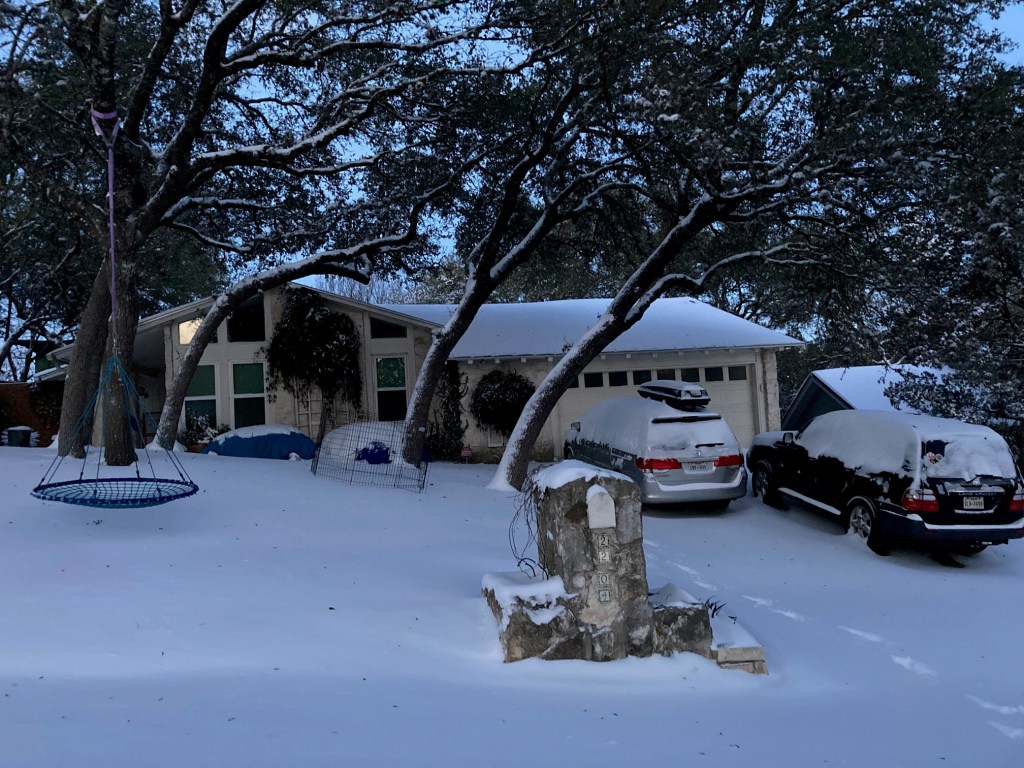
Have a plan and the means to leave if necessary. For most of us, most of the time, our homes are going to be the safest place to ride out a crisis. But that could change. Things like a reliable vehicle with good tires and a full gas tank make it a lot easier to get out of Dodge fast if you need to. Also, give some foresight to what you will take if you must leave in a hurry. When the house is on fire is not the time to think about where the photo album is stored.
Trust your judgment, not lying and incompetent politicians. How often do leaders head to Mexico when things get uncomfortable? Surprisingly often. I’m looking at you Cabo Steve and Cancun Ted. But seriously, who remembers just two weeks to flatten the curve? Or what about being warned to prepare for 40-minute rolling blackouts, only to then be told by your electric utility in the middle of the storm, just kidding we don’t even have the ability to implement rolling blackouts so your power will be off for days? These things happen. There is a whole realm of disasters that could last months and for which there is basically zero preparedness. Google the Carrington Event of 1859. To trust that the government is going to ensure your family’s safety is not a good plan.
Recognize that once everyone realizes there is a problem it’s too late to prepare. The time to get ready for bad times is during good times. If the infamous 2020 run on toilet paper taught us anything, it is this.
Have a plan to help others. While the best thing we can do is take care of our families, in any crisis there will be people who need help. In the Texas Snowpocalypse we had neighbors coming together to shut off water, dry out houses where pipes had burst, shelter those with no heat or water, and share supplies. Being part of a community is safer than being on our own.
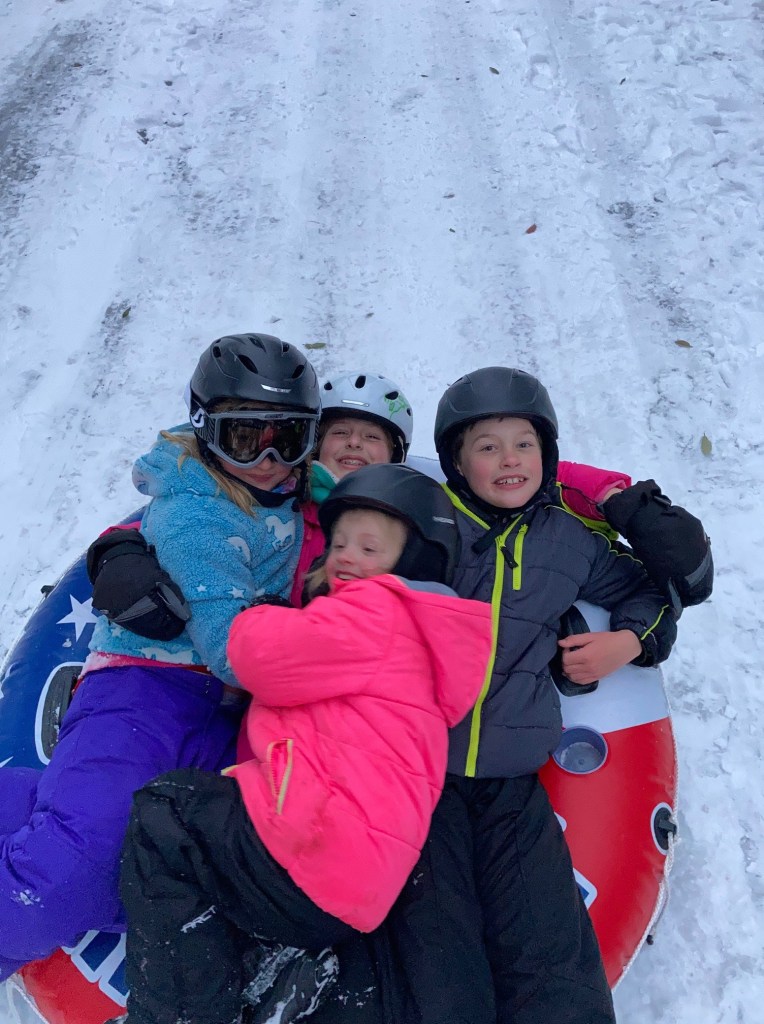
Do not despair. A scout is cheerful. A bad attitude in a crisis never helps. Despite the ever-present stress and uncertainty, focusing on thankfulness works. There are always fun memories to be made if we try hard enough.
Now I am going to the store to buy another trash can.
 Vamonos Baby!
Thanks Chris. This is great advice.
LikeLiked by 1 person