
Most of us have been admonished at one time or another to focus on that which we can control. A year into the pandemic, we seem to have lost sight of this lesson. The narrative has focused almost exclusively on one element of risk control: limiting exposure to the virus through social distancing, masks, etc. But what about controlling the risk of developing a serious illness if we are exposed? What can we do and what role does personal accountability play? Perhaps quite a lot.
The greatest thing any of us can do to reduce the chance of developing a serious illness or dying if exposed to COVID-19 is to be healthy.
The CDC has data on cause of death for each person who died with COVID-19. (See Table 3 with data current through January 21, 2021). The CDC states: “For 6% of the deaths, COVID-19 was the only cause mentioned. For deaths with conditions or causes in addition to COVID-19, on average, there were 2.9 additional conditions or causes per death.” This means that about 19 of 20 people who die from COVID-19 die from COVID-19 plus some other condition and usually multiple other conditions.
The CDC has assembled a list of these underlying conditions and classified them based on the strength of the evidence supporting the link to severe COVID-19 illness:
- Those with the “strongest and most consistent evidence” defined as consistent evidence from multiple small studies or a strong association from a large study.
- Those with “mixed evidence” defined as multiple studies that reached different conclusion about risks associated with a condition.
- Those with “limited evidence” defined as consistent evidence from a small number of studies.
Some of the conditions are uncontrollable; things like cancer and genetic conditions like sickle cell disease.
But many result from poor choices. The underlying conditions that have the strongest increased risk of severe illness include COPD (a lung disease preventable by not smoking), heart disease (preventable through diet and exercise), Type 2 diabetes (preventable by diet and exercise), obesity and severe obesity (preventable though diet), and smoking. Hypertension (preventable by diet, exercise, not smoking, reducing alcohol) is on the mixed evidence list and being overweight (BMI 25 and over) is on the limited evidence list. (Note: I acknowledge that in some rare cases some of these conditions may not be preventable, but for most they are)
These are not small problems. Take for example the issue of bodyweight. In 2018 9.6% of American adults were severely obese, 42.4% were obese, and 30.7% were overweight. Thus, over 80% of American adults have a preventable underlying condition that increases the risk of a severe illness from COVID, and which causes other conditions that also increase risk. And all we seem to talk about is masks and vaccines.
Maybe the reason the United States has one of the highest per capita COVID death rates in the world has less to do with shutdowns and masks and more to do with the fact that we have an already sick and vulnerable population.
Maybe the reason we hear nothing from our leaders about the importance of healthy living is that there are few corporate profits, no big government programs, and no bribery campaign contributions to be made. A chronically sick population needing hospital stays, expensive procedures, multiple specialists and a barrage of prescription drugs is so much more lucrative.
Maybe we should restart the conversation about health at the beginning, at the foundation and stop taking seriously anyone who claims to care about COVID but who avoids talking about the elephant in room.
It is certainly well past time for each of us, if we have not already done so, to do what is in our power to lead healthy lives.
As for me, I am heavier, slower, and weaker, than any time in the last five years, mainly because I have let COVID be an excuse to let it go a little. Time for some accountability. Time to clean it up, dial it in, and put in the work. COVID or no COVID.
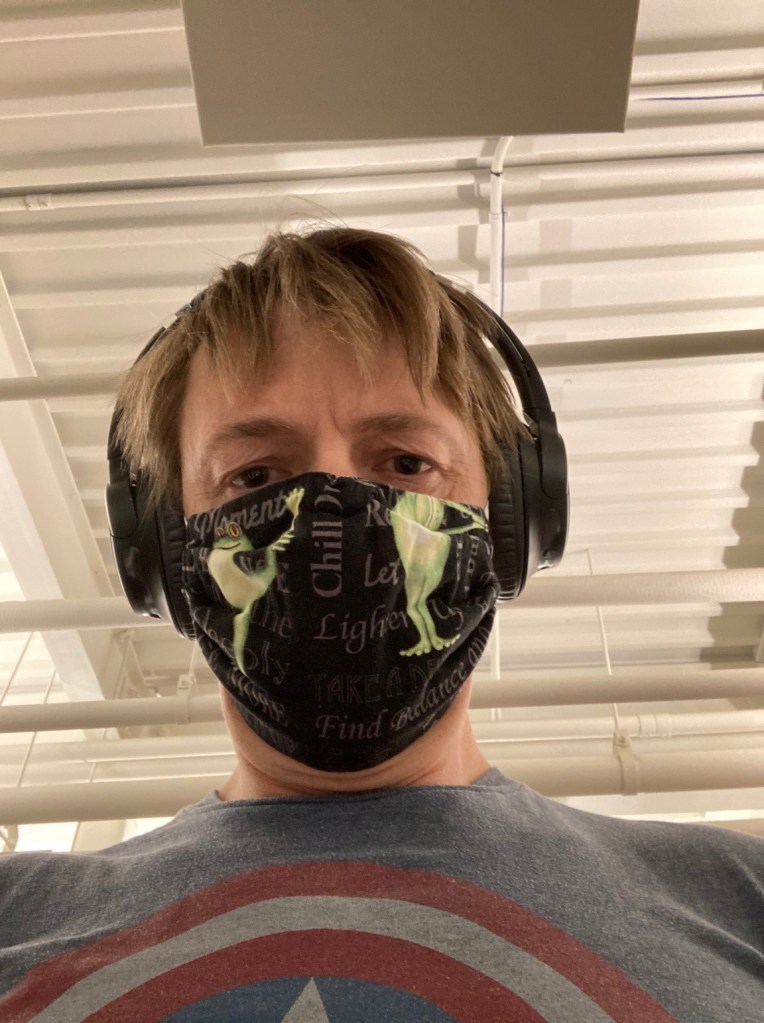
 Vamonos Baby!